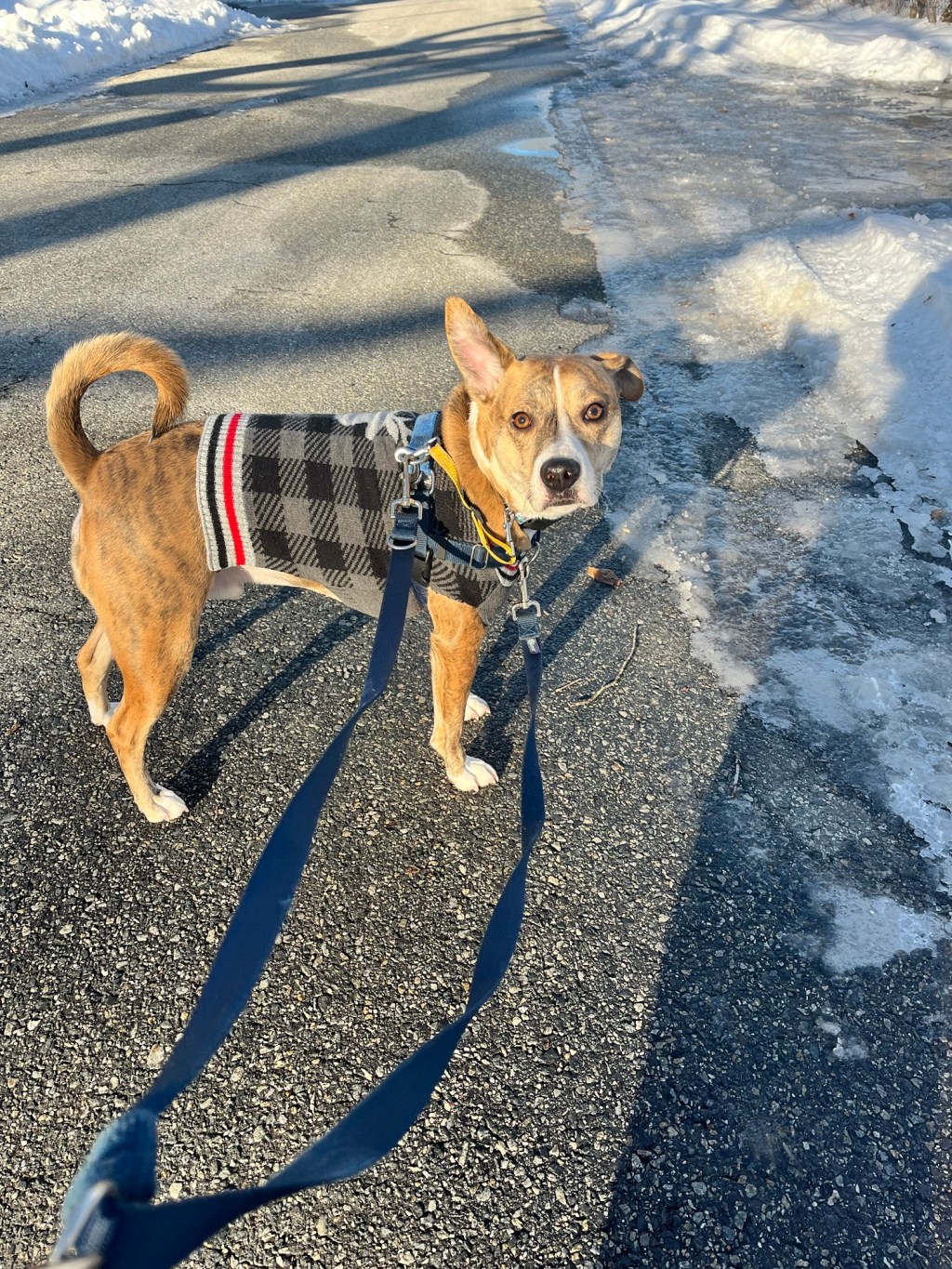
Winter hiking can be one of the most rewarding activities you share with your dog — the quiet woods, the crisp air, and the kind of deep decompression only nature can give. But as magical as winter can be, it also comes with extra challenges for both dogs and humans.
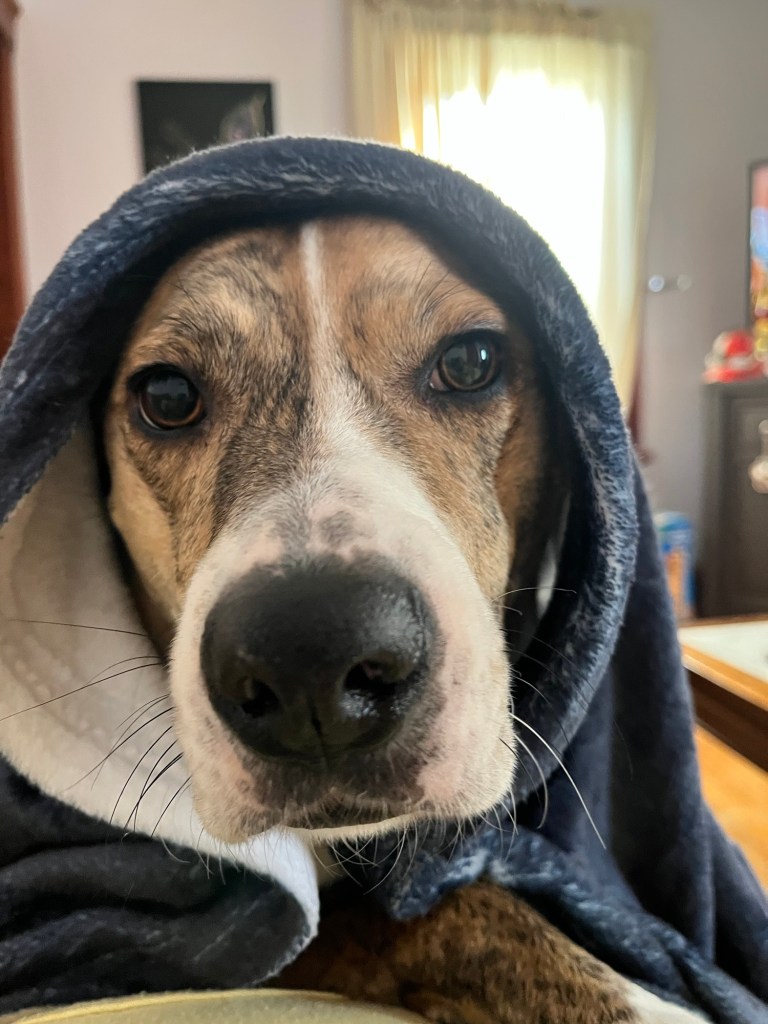
As a professional dog walker who hikes year-round with pups of all ages, breeds, and behavior profiles, winter is the season where preparation matters most. Trails change, weather changes, and the needs of our dogs change right along with it.
Here’s everything I’ve learned from years of winter hiking — the real tips that keep you and your dog safe, warm, and happy on the trail.
1. Know Your Dog’s Cold Tolerance
Some dogs thrive in cold weather, others struggle the moment the temperature dips. Even “winter breeds” have limits.
Watch for early signs your dog is getting too cold:
- Picking up or holding a paw
- Slowing down
- Shivering
- Whining or trying to turn back
- Excessive paw licking
Rule of thumb:
If you would be cold standing still, your dog will be too.
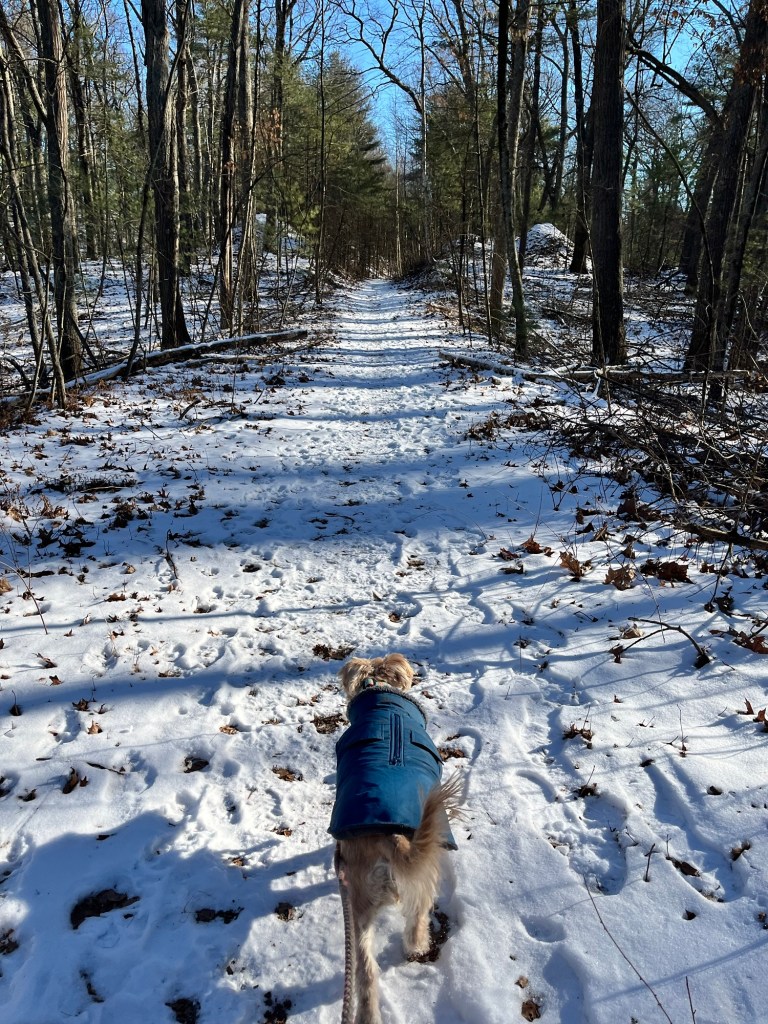
2. Protect Those Paws
Winter terrain is tough: ice, packed snow, frozen earth, and road salt can all cause irritation and tiny cuts.
Before your hike: apply a paw balm or wax
During your hike: check for ice buildup
After your hike: rinse and moisturize the paws
If your dog tolerates booties, this is their season.
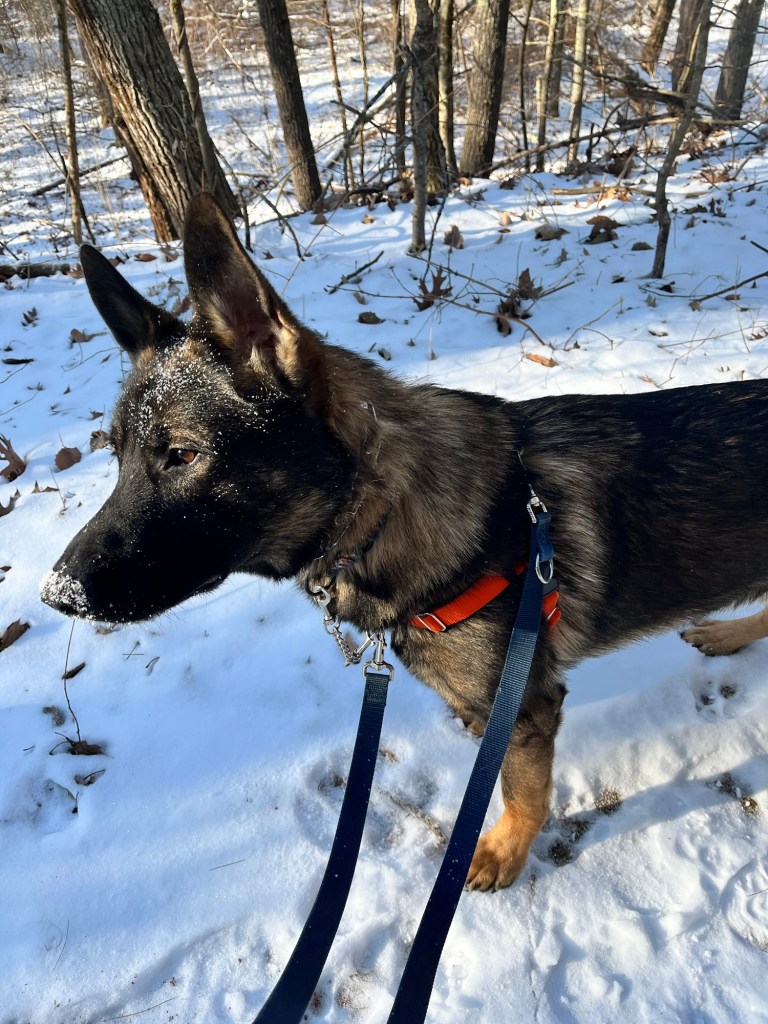
3. Layer With Purpose
Cute jackets are fun — but functional jackets are essential.
A solid winter dog coat should be:
- Waterproof
- Insulated
- Fitted without restricting movement
- Paired with a reflective harness or collar for dark afternoons
Keep an extra emergency coat in your backpack for unexpected weather changes.

4. Adjust Your Routes & Expectations
Winter hikes will be slower, shorter, and more cautious — and that’s okay.
Just today on one of my regular trails, the small wooden bridge we always cross was covered in solid ice. It wasn’t safe for me or the dog. We had to backtrack and reroute the entire hike.
Expect that trails will change overnight.
Plan buffer time around every winter outing.
Consider:
- Ice on bridges, boardwalks, and shaded sections
- Packed snow on hills
- Trail closures
- Frozen trailheads forcing you to start from another entry
- Dogs needing more frequent warm-up breaks
Being flexible is part of good winter safety.

5. Hydration Still Matters
Cold air dehydrates dogs quickly.
Carry water even if it feels unnecessary.
Snow does not count as hydration.

6. Keep Your Leash Skills Sharp
Winter distractions — squirrels, rustling leaves, new scents — are intense.
For safety:
- Use a sturdy 6–10 ft leash or long line
- Avoid hands-free options on icy days
- Practice check-ins and reward calm behaviors
- Keep footing in mind before allowing sniff breaks
Your stability = their stability.
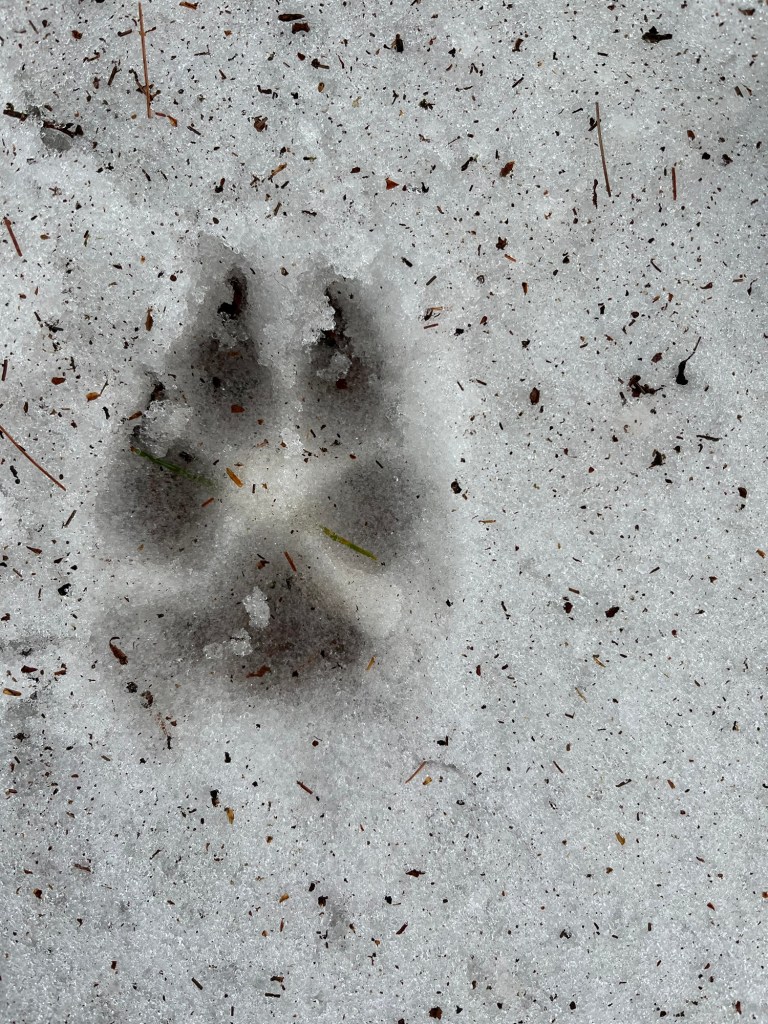
7. Mind Your Footing
Dog walkers fall more in winter than any other season.
Wear:
- Traction cleats or crampons
- Gloves with grip
- Waterproof, insulated boots
Move intentionally, especially on downhill or icy sections.
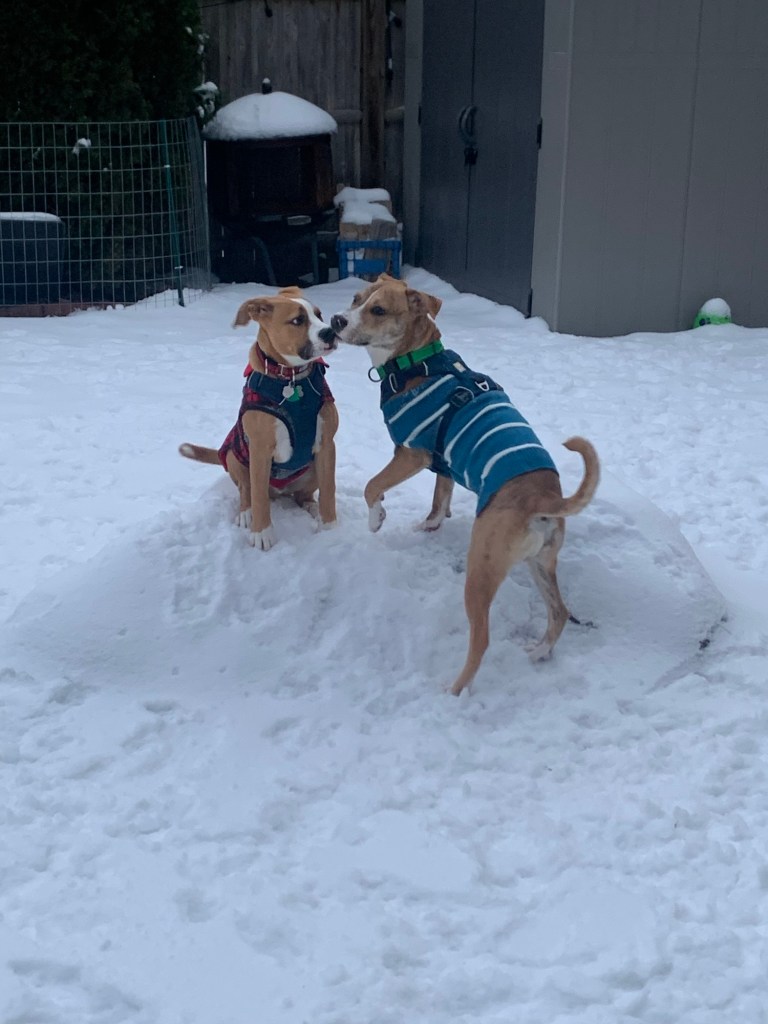
8. Build Enrichment Into the Hike
Winter doesn’t mean boring.
Try:
- Sniff-walk segments
- Treat scattering in snow patches
- Slow decompression time in quiet areas
A mentally stimulated dog is a fulfilled dog.
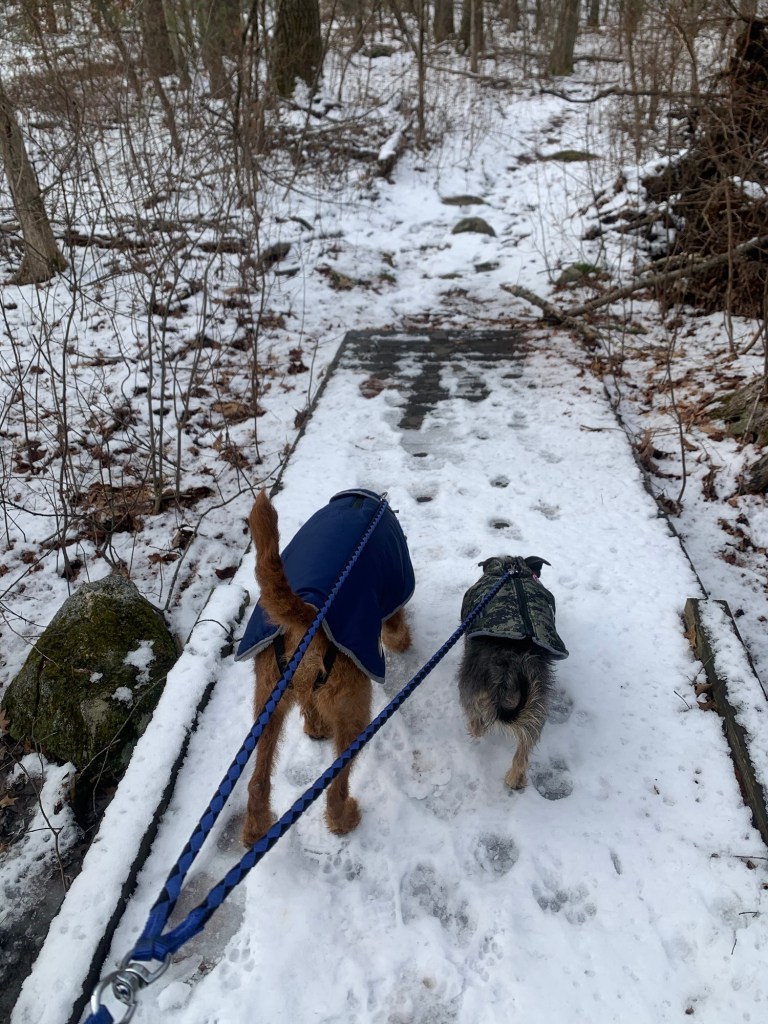
9. Build Extra Time Into Your Winter Schedule
Winter doesn’t just slow you down on the trail — it slows you down everywhere.
Expect:
- Longer drive times
- Reduced parking due to snowbanks
- Needing to reroute mid-hike
- Dogs taking longer to warm up or cool down
Add 10–15 minutes of buffer around every outing.
It prevents rushing — the biggest cause of winter accidents.
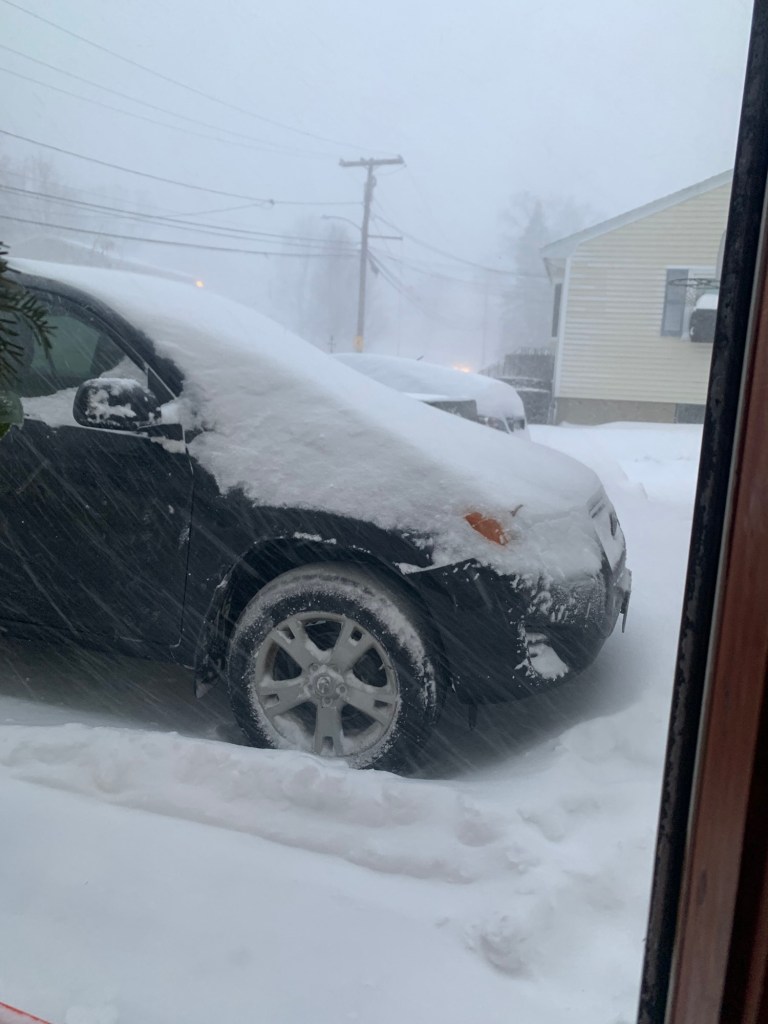
10. Build a Winter Car Kit (Your Secret Weapon)
Your car becomes your warm base camp. Stock it with:
✔ Extra crampons or trail cleats
Conditions change fast. Having spares means you’re always prepared.
✔ Dog wipes (car + backpack)
Great for melting snow between pads and wiping off road salt.
✔ Box of hand & foot warmers
Cold hands = weaker leash handling. These are lifesavers.
✔ Blankets
For warming dogs after cold hikes, seniors who need extra support, or unexpected delays.

11. Stay Dry: Bring Extras of Everything
This is the biggest human survival tip:
Wet gear ruins your entire day.
I always keep:
- Extra wool socks
- Extra gloves (multiple pairs)
- Extra hat + neck gaiter
- Spare mid-layer
Once gloves or socks get wet, putting them back on is miserable — and dangerous.
You lose grip, dexterity, and overall body heat.
Double everything. You’ll never regret it.

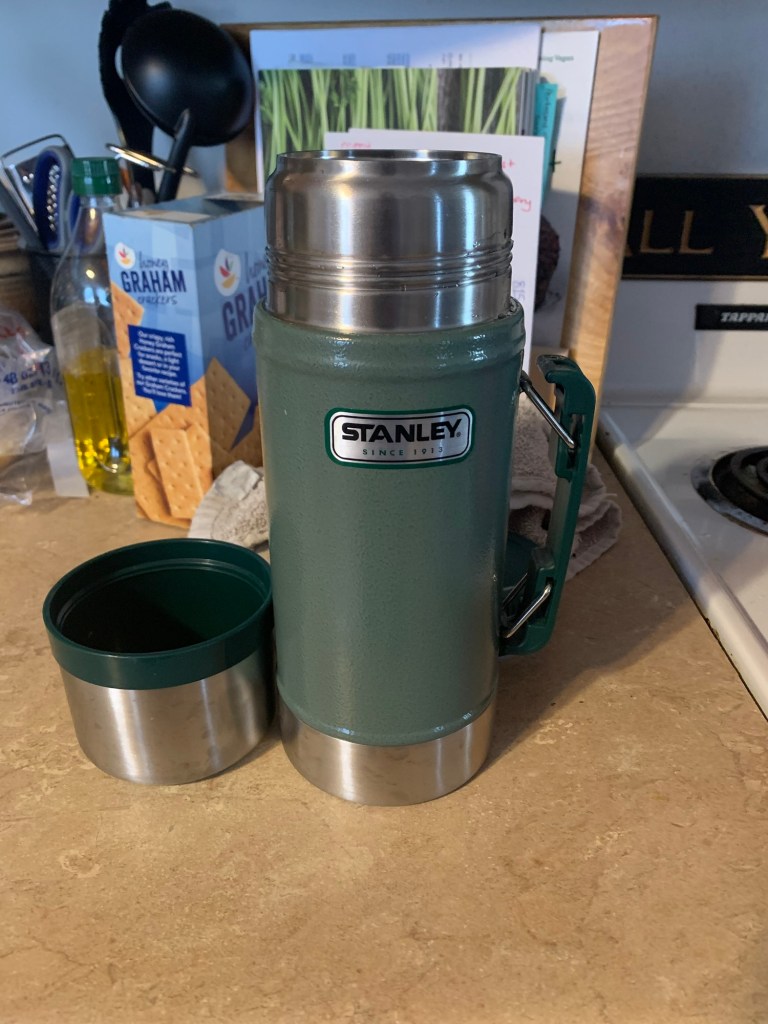
12. Two Thermoses: Your Winter Game Changer
One thermos is great.
Two thermoses is elite winter dog walker behavior.
Thermos #1: Your warm drink
Tea, coffee, chai, hot cocoa — whatever warms your soul.
Thermos #2: Soup
A steaming bowl between hikes warms your fingers, resets your energy, and gives you life when the cold is starting to creep in.
Trust me — this is one you only need to try once to be converted forever.
Final Thoughts
Winter hiking with dogs is an incredible experience, but it asks you to slow down, prepare, and stay flexible. The more you plan for the unexpected — ice, reroutes, cold paws, wet gloves, disappearing parking spots — the smoother your hikes will be.
When you’re prepared, winter doesn’t feel like an obstacle.
It feels like a season of magic, quiet adventure, and deep connection with your dog.
Stay warm, stay safe, and happy hiking. ❄️🐾
 Can I Bring My Dog?
Leave a comment