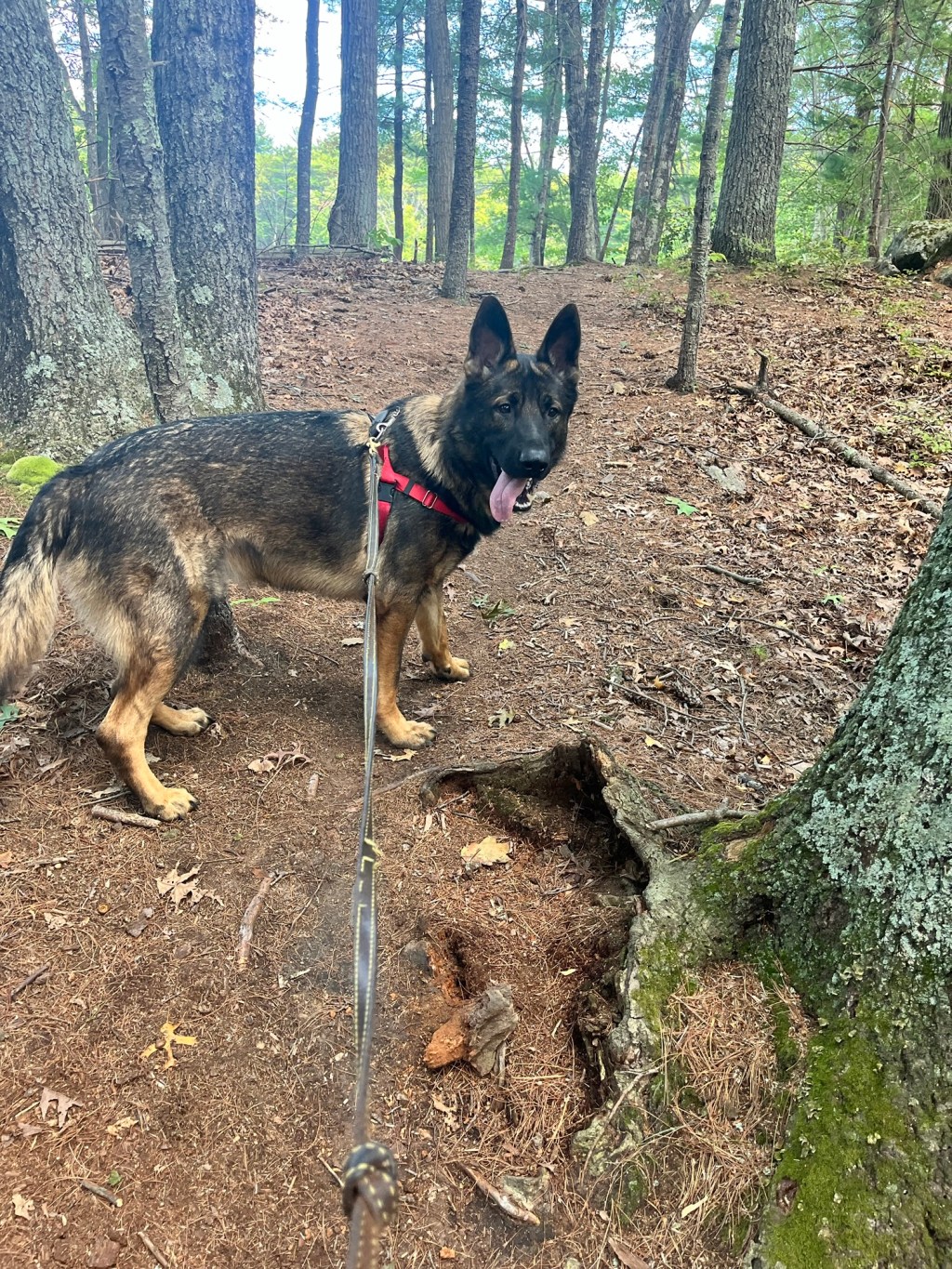
When people think about dog training, they often imagine structured sessions, strict obedience, or endless drills. But in my world, some of the best training happens naturally—while walking or hiking. These outings aren’t just about exercise; they’re about giving dogs the tools to feel safe, confident, and connected while making everyday life more enjoyable.

The best part? Training doesn’t have to feel like “training.” It can be built right into our routine, turning each walk into a fun learning adventure. Here are some of the techniques I use every day that make a big difference for the dogs I walk and hike with.
1. Check-In Cues: Look and Touch
Perfection is never the goal. Dogs won’t respond flawlessly to every situation—and neither do we! What matters is that they learn they have a way to check in. By teaching cues like look and touch, dogs can essentially ask, “Am I okay here?”and I can respond with reassurance. These simple tools reduce anxiety, strengthen communication, and build trust with every interaction.
2. The “Sniff Break”
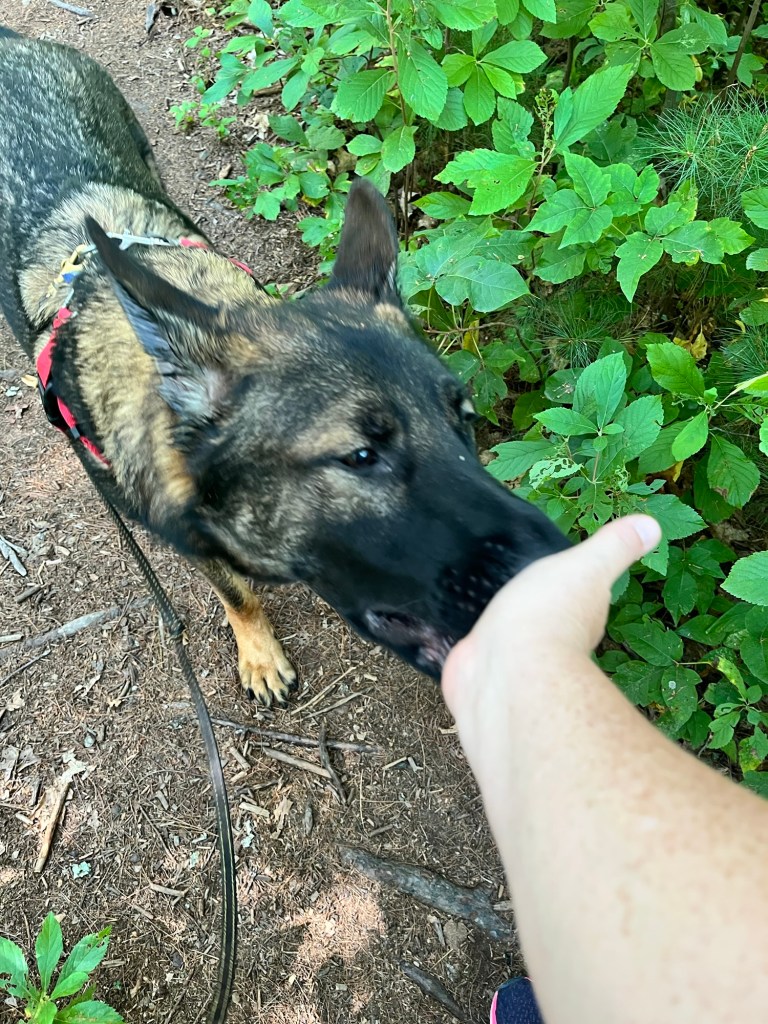
Sniffing isn’t just a dog’s favorite hobby—it’s also enrichment. Allowing time to sniff is like letting them read the newspaper of the world. I use sniff breaks as rewards and as natural resets when things feel overwhelming. Giving dogs permission to explore with their noses helps them feel more relaxed and keeps the walk enjoyable.
3. Pattern Games
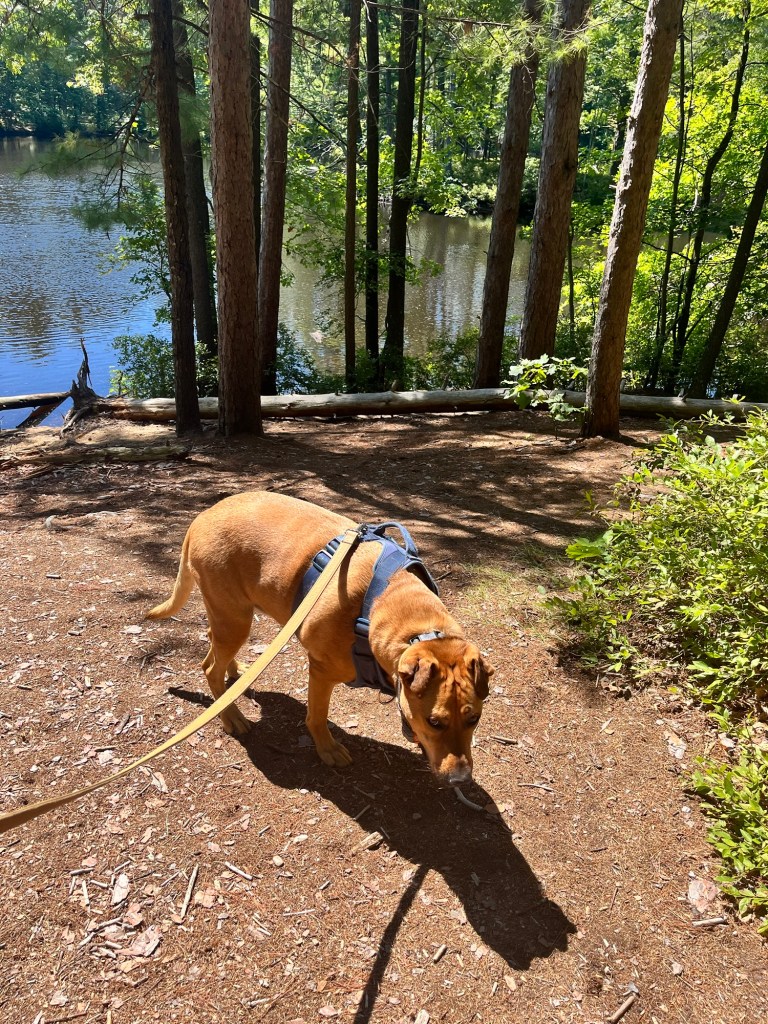
Sometimes the world can feel unpredictable, especially for reactive or nervous dogs. That’s where pattern games shine. Repeating simple movements—like walking a figure-eight or rewarding check-ins every few steps—creates predictability. It gives dogs a rhythm to follow and turns the hike into a calming, confidence-building activity.
4. Adventure Obedience
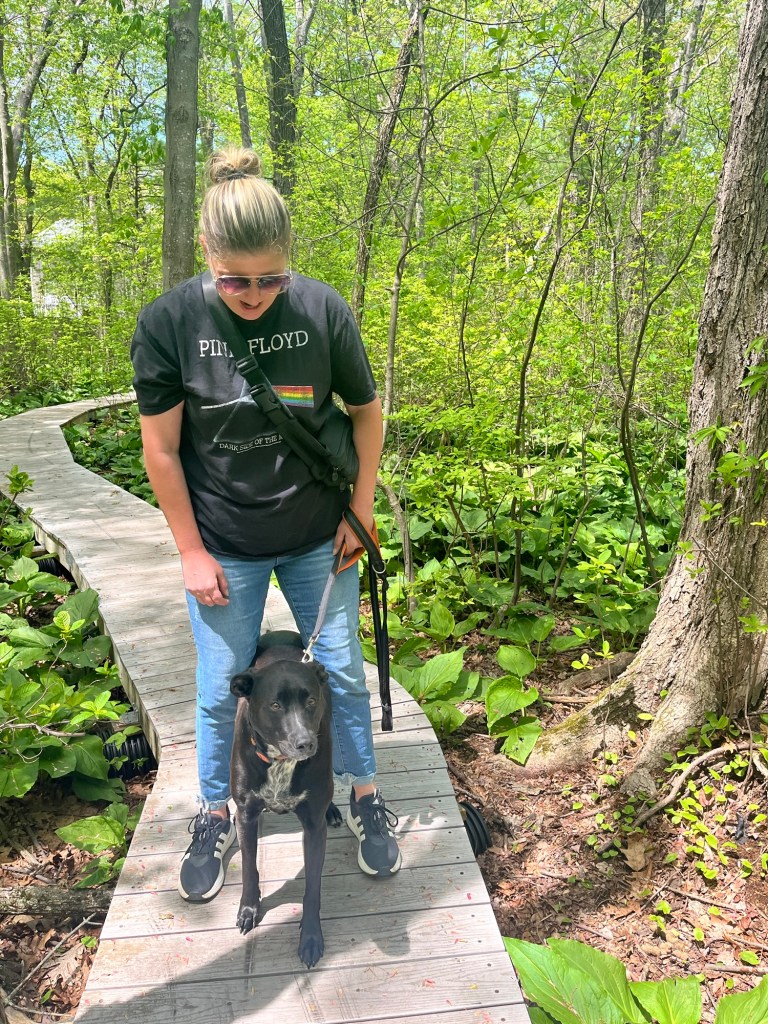
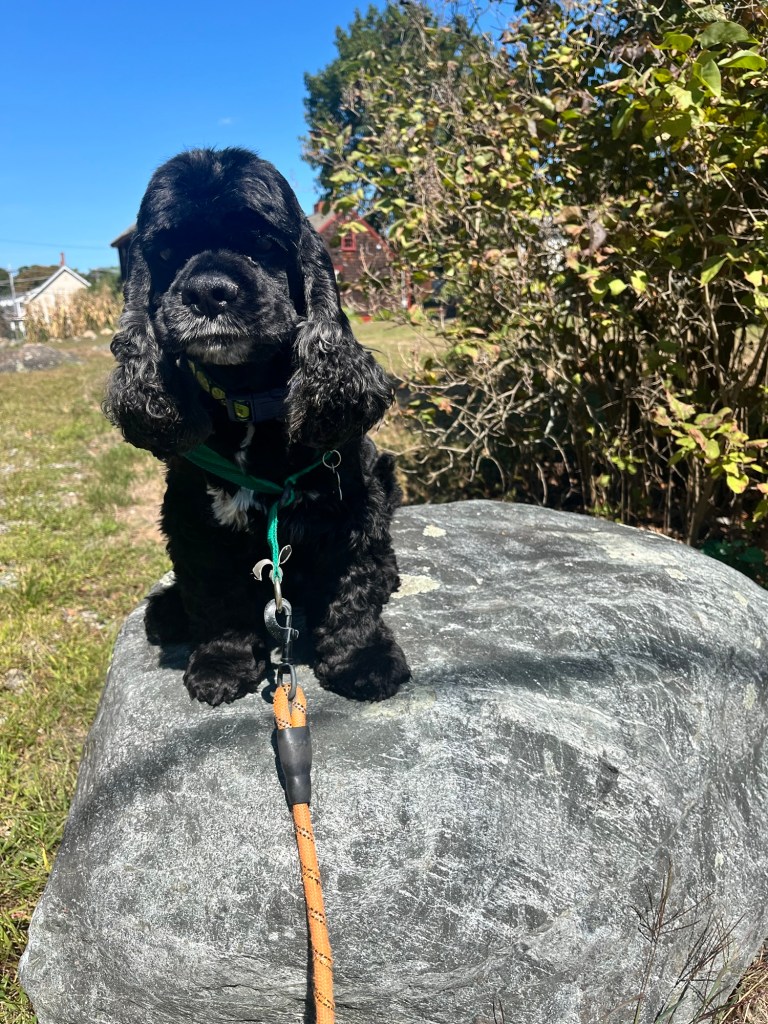
Training doesn’t always mean a classroom setting. I like to incorporate obedience into the environment around us. We’ll practice sits on a tree stump, a down-stay in a quiet clearing, or calm behavior while another hiker passes. These mini-training sessions blend seamlessly into the adventure and make skills more useful in real life.
5. Celebrating Small Wins
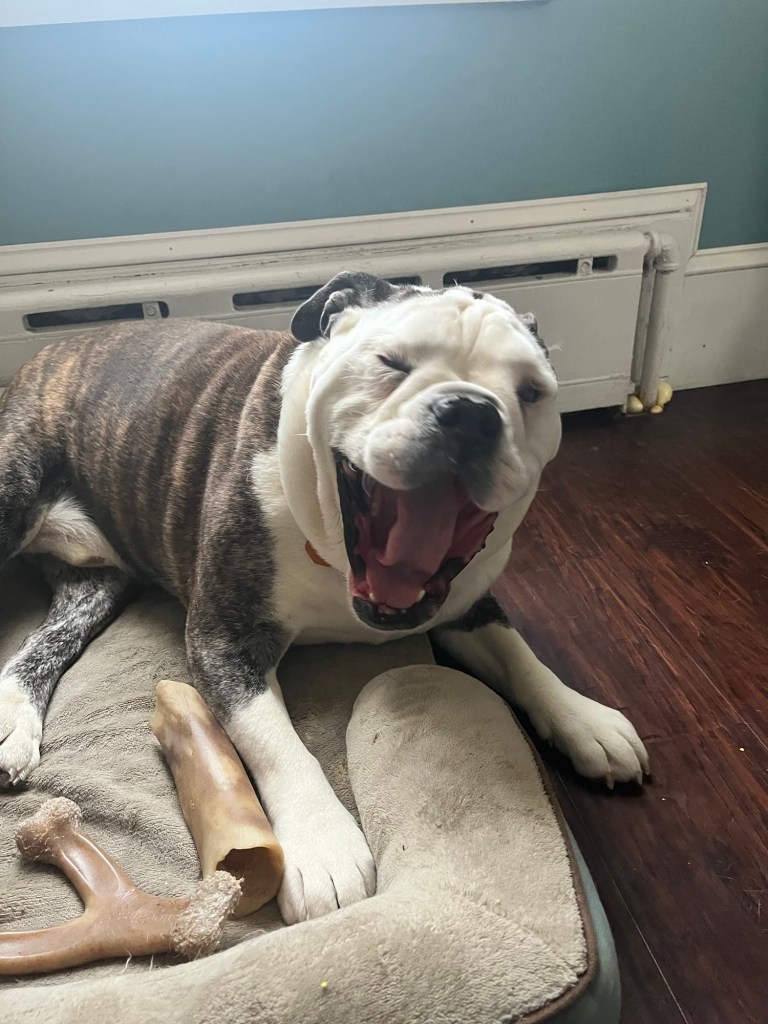
I don’t expect the dogs I work with to be perfect—and I don’t expect perfection from myself, either. What I do celebrate are the small victories: the dog who glances calmly at a trigger, the pup who checks in a little faster than yesterday, or the hike where we make it past a tough spot without stress. Those small wins add up, and they keep training positive and encouraging.
6. Ending on a High Note
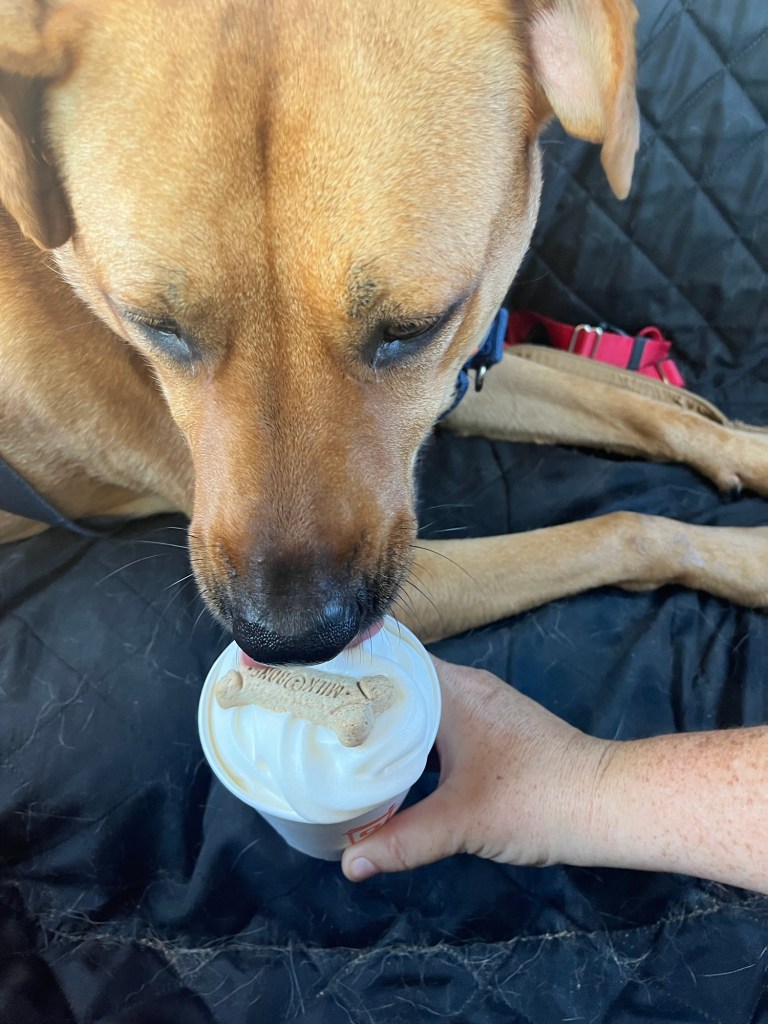
Sometimes the best reward isn’t a treat pouch—it’s a memory. After an especially good day, I like to end with something extra special: a stop at Dunkin’s drive-thru for a pup cup. It’s a small tradition, but it turns progress into celebration and reminds both me and the dogs that teamwork can be joyful in every way.
Final Thoughts
Training doesn’t have to be about drills or chasing perfection. By weaving small techniques into our walks and hikes, we give dogs the tools to feel safe, confident, and connected. At the end of the day, these simple practices make life less scary, more fun, and a whole lot more rewarding—for both ends of the leash.
 Can I Bring My Dog?
Leave a comment