
When I first started walking dogs, I knew right away that my niche would be reactive dogs. These are the pups who are often misunderstood, overlooked, or even turned away by other walkers. For me, working with them wasn’t intimidating, it felt natural. Over time, this focus has shaped my business, and it’s taught me lessons I never expected.
What “Reactive” Really Means
Reactive doesn’t mean “bad.” It simply means a dog responds strongly to certain triggers, whether that’s other dogs, strangers, bikes, or loud noises.
A common misconception is that reactivity equals aggression. That’s not true. Many reactive dogs are sweet, loving companions who just need the right handling and environment to feel safe. Understanding this difference has been key to both helping dogs and educating their owners.
Why I Decided to Specialize
From the very beginning, I knew I wanted to focus on reactive dogs. My background in the shelter world taught me just how many of these dogs were passed over because people didn’t know how to handle them. I saw how badly they needed advocates and professionals willing to take the time.
My personal life confirmed that choice. My husband and I adopted a dog who was very reactive, and as much as we loved him and adapted to his needs, it was often hard to find care for him. We missed out on things because we never felt fully comfortable leaving him with anyone. That experience showed me just how important it is for pet parents to have someone they can trust, someone who understands their dog’s behavior and won’t judge them for it.
Specializing in reactive dogs gave me a clear focus and a purpose. It also set me apart in a crowded market by offering something many walkers weren’t willing to do.
How Specializing Changed My Business
Saying “yes” to reactive dogs meant saying “no” to trying to be everything for everyone. And that turned out to be a good thing.
I began attracting clients who truly valued my expertise. Pet parents who once felt left out—because other walkers didn’t want to take on their dogs—found someone who understood their challenges. Enrichment hikes, structured solo walks, and consistent handling became my signature offerings.
Over time, I built strong relationships with clients and their pets, and that trust became the foundation of my business.
Lessons I’ve Learned Along the Way
- Ongoing education is key. Training never stops—whether it’s taking courses, staying current with behavioral science, or learning from other pros.
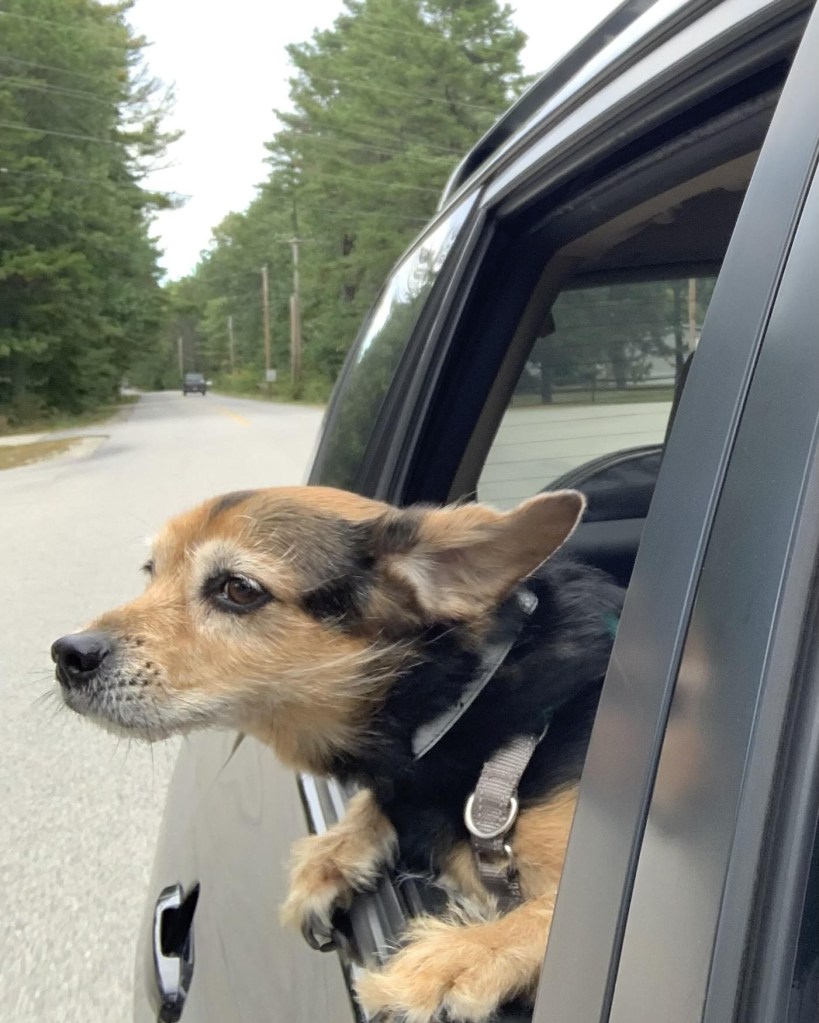
- The right gear matters. Secure harnesses and safety clip are non-negotiable when working with dogs who may lunge or pull suddenly.
- Patience pays off. Progress with reactive dogs is measured in small wins, and celebrating those victories keeps both dogs and humans motivated.
- Communication builds confidence. Keeping owners updated with detailed reports, photos, and videos shows them how their dog is improving and reinforces their trust in you.
Advice for Pet Pros Considering a Niche
Specializing in reactive dogs isn’t for everyone, and that’s okay. But if you find yourself drawn to a particular type of client or service, don’t be afraid to lean into it.
Choosing a niche doesn’t limit you, it clarifies who you serve best. And when you know your strengths, you can also build a network of referrals for cases outside your scope. That way, every pet parent ends up with the right support.
Final Thoughts
Specializing in reactive dogs has made my work more rewarding than I ever imagined. These dogs may need a little extra patience, but the bond you build with them is unlike anything else.
Have you ever thought about specializing in a niche in your pet care business? I’d love to hear about your experiences in the comments. And if you’re just starting out, don’t be afraid to follow your passion it might just become your greatest strength.
 Can I Bring My Dog?
Leave a comment