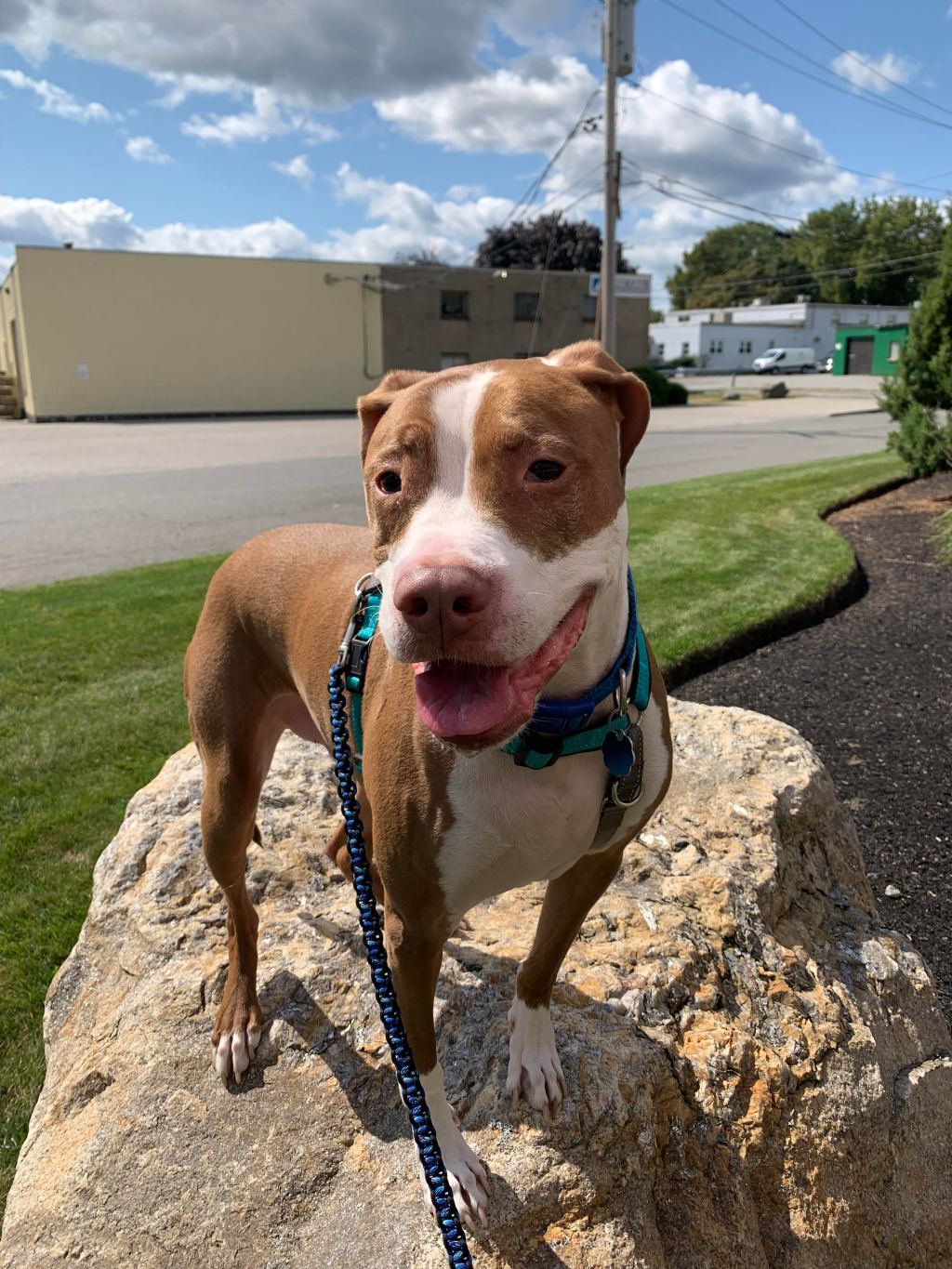
When I started my dog walking and hiking business, it wasn’t just about loving dogs or wanting to spend more time outdoors—it was deeply personal. My previous dog was one of the most reactive dogs I’ve ever worked with. Finding care for him that I felt comfortable with was nearly impossible, even with my background in animal behavior. That experience is what pushed me to create the kind of service I couldn’t find myself. My current dog, thankfully, is very friendly and has been the perfect partner—especially when it comes to helping with introductions and behavioral assessments.
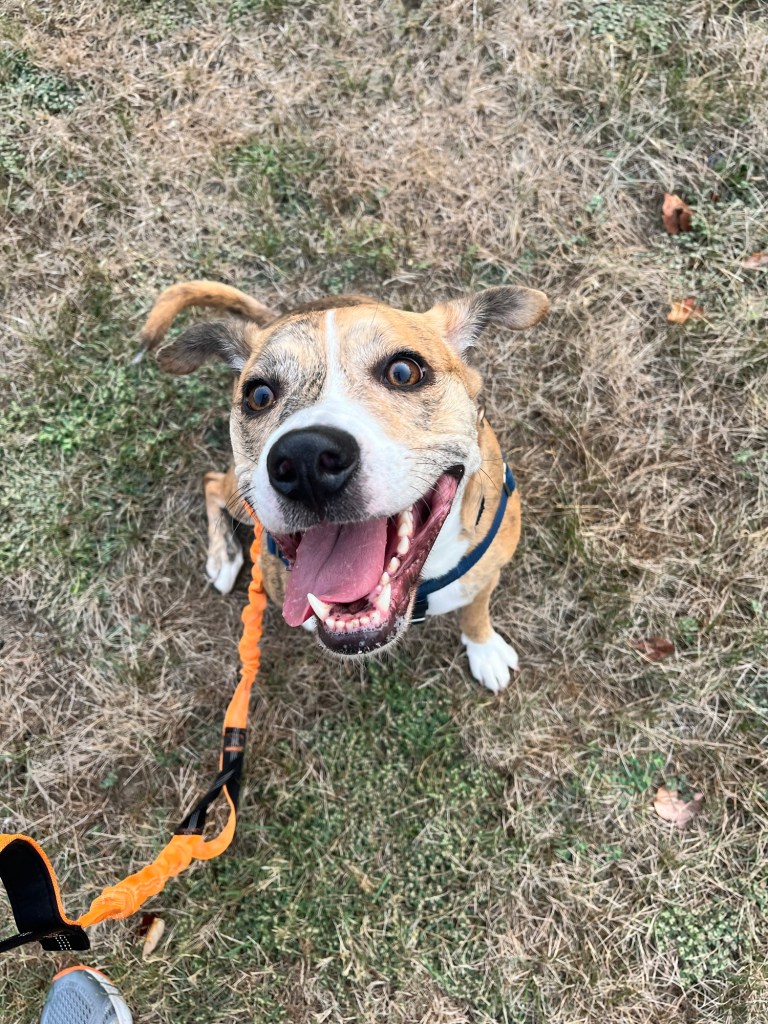
I’ve spent over 20 years working in the animal field, from shelters to training facilities, and I knew I had the tools to make a difference. My time working with shelter dogs—many of whom were labeled “difficult” or “unadoptable”—taught me how to read behavior, respond to stress signals, and handle reactive or fearful dogs with patience and skill. I decided to use that experience to build a business that not only supported my dog’s needs, but filled a serious gap in pet care for other dogs like him.
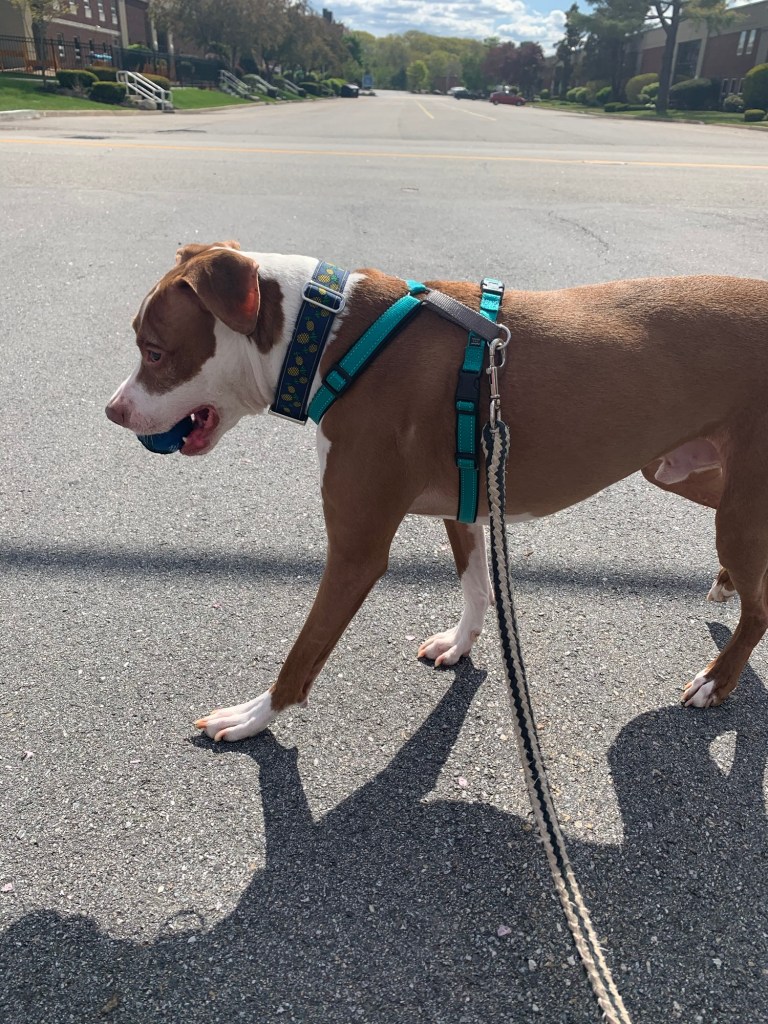
That’s how my niche was born: I work specifically with reactive dogs. It’s not something I recommend taking lightly. This type of work requires a deep understanding of canine body language, behavioral thresholds, and how to safely manage interactions in the real world. It’s not just about holding a leash and going for a stroll—it’s about creating a structured, secure experience that builds trust over time.
Too many people jump into the pet care industry thinking love for animals is enough. And while love is absolutely essential, it’s not a substitute for education in animal behavior. Without proper training, you risk not only your own safety but the physical and emotional well-being of the dogs in your care.
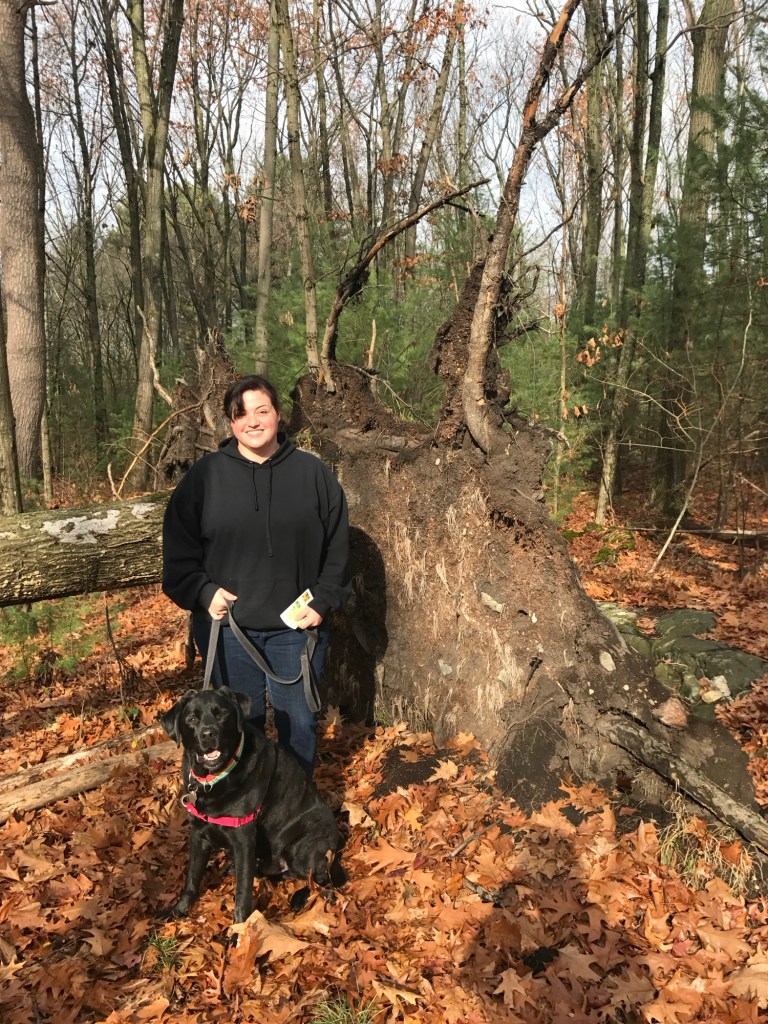
If you’re thinking of starting a dog walking business, here’s my best advice:
- Find your niche. Whether it’s reactive dogs, group hikes, senior pups, or adventure walks—specializing helps you stand out and attract the right clients.
- Invest in education. Learn about body language, stress signals, leash reactivity, and positive reinforcement. Take courses. Shadow professionals. Your knowledge is your foundation.
- Be honest about your limits. Not every dog is the right fit, and that’s okay. It’s better to refer out than risk a bad experience for the dog—or for you.
- Build trust with clients. They’re trusting you with a beloved family member. Communication, transparency, and reliability matter more than you might think.
At the end of the day, working with animals is one of the most rewarding things I’ve ever done—but it comes with real responsibility. If you’re passionate and prepared, it’s an incredible career path. Just remember: the best dog walkers aren’t just dog lovers—they’re dog learners.
 Can I Bring My Dog?
Leave a comment